
Gradual pipe corrosion inside supply lines, sustained high water pressure that stresses joints and connectors, and aging shutoff valves that fail to operate during emergencies are leading contributors to costly plumbing damage in residential properties. These issues often develop out of sight, allowing water loss and system strain to continue unchecked until repairs become unavoidable. With rising utility costs and growing demands on home systems, smart plumbing systems are becoming an essential way to manage these challenges. In this blog, you will learn how these systems can help identify issues, improve efficiency, and protect your home.
Smart Plumbing Systems OverviewSmart plumbing systems provide Texas homeowners with an effective overview of their water usage, helping prevent damage, improve efficiency, and reduce costs. Advanced sensors, monitoring tools, and automated controls detect issues early and offer actionable insights, while professional installation ensures long-term protection, peace of mind, and optimized plumbing performance. |
Smart Plumbing Devices Texas Home Owners Must Install
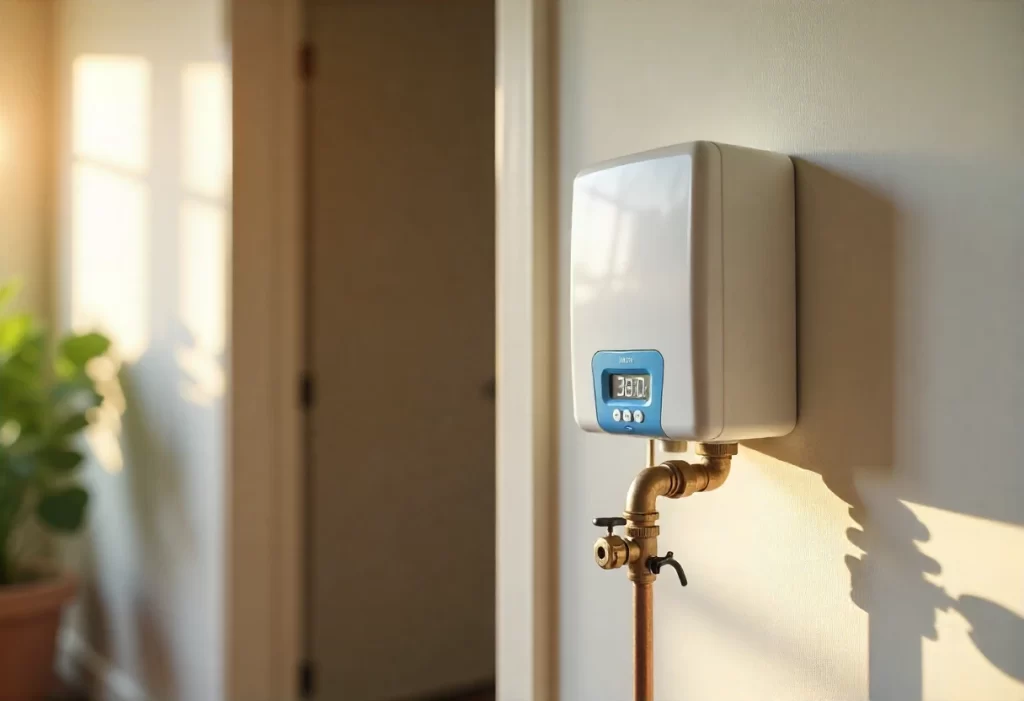
Smart Leak Detection System
Even the smallest leak can escalate into thousands of dollars in damage before it’s noticed. Smart leak detection systems use a combination of electrochemical sensors, float switches, and moisture-sensitive probes to detect water where it shouldn’t be. Many systems can measure leaks as small as 0.1 gallons per hour and differentiate between slow drips and full-scale flooding. These devices send real-time alerts to homeowners, enabling immediate action to prevent structural damage, mold growth, and costly repairs, especially in Texas’s hot summer conditions.
Automatic Water Shutoff Valve
Sudden bursts or overflowing appliances are a common cause of home flooding. Automatic water shutoff valves are electronically actuated ball valves connected to water flow sensors. When abnormal flow is detected, the valve closes within seconds, stopping water supply to prevent damage. Many models also include battery backup or Wi-Fi connectivity for remote operation.
Freeze Protection Sensor
Pipes are at risk of freezing during rare cold snaps in Texas, especially those in outdoor or infrequently used areas. Freeze protection sensors use thermistors or digital temperature probes to monitor pipe temperatures in real time. When the temperature approaches freezing thresholds, the system can trigger alerts, activate inline heating cables, or shut off water to vulnerable lines. This proactive monitoring ensures protection beyond what insulation alone can provide.
Weather-Based Sprinkler Controller
Overwatering not only wastes water but also stresses underground plumbing. Weather-based sprinkler controllers adjust irrigation based on local weather data, soil moisture, and evapotranspiration rates, integrating seamlessly with smart water monitoring to optimize efficiency. This ensures precise watering schedules that reduce consumption by 30–40% annually, which is especially valuable in drought-prone Texas regions.
Smart Water Heater Controller
Smart water heater controllers regulate when and how water is heated by monitoring temperature settings, usage cycles, and energy demand in real time. These systems optimize heating schedules based on household usage patterns, reducing standby heat loss and preventing unnecessary reheating during low-demand periods. Advanced controllers can also detect abnormal temperature fluctuations, sediment-related efficiency drops, or heater overuse that signals underlying plumbing or heating issues. These meters not only improve efficiency but also support energy-efficient home upgrades by helping reduce wasted water and energy.
Smart Pressure Regulating Valve
Inconsistent water pressure can damage pipes, fixtures, and appliances over time. Smart pressure regulating valves combine pressure transducers with microcontrollers to maintain consistent pressure and alert homeowners if it exceeds safe thresholds, usually between 40 and 80 psi for residential systems.
Smart Backflow Prevention Monitor
Backflow incidents can compromise drinking water quality. Smart backflow monitors use differential pressure sensors and flow switches to detect reverse flow and contamination risks, sending alerts and maintaining logs for safety compliance. In Texas, where heavy irrigation and municipal pressure changes are common, these monitors ensure water safety and prevent backflow-related health hazards.
Whole-Home Water Monitoring System
A single anomaly in a plumbing network can escalate into major damage if left unchecked. Whole-home water management solutions monitor data from multiple sensors to track flow rate, water pressure, and temperature across all plumbing lines. Some systems also analyze long-term patterns, detecting slow leaks or pressure surges. For many homeowners, particularly those with larger layouts or aging plumbing, this level of system-wide visibility supports earlier intervention, better planning, and long-term cost control rather than reactive repairs.
Sump Pump Monitor
Sump pump monitors are designed to continuously evaluate critical operating conditions, including pit water levels, pump activation frequency, discharge performance, and backup battery health. Using a combination of ultrasonic level sensors, pressure sensors, and motor current monitoring, these systems can identify abnormal cycling patterns, reduced pumping capacity, or delayed activation, common indicators of mechanical wear or impending failure. Advanced monitors also track run time and power interruptions, alerting homeowners when pumps are operating outside safe thresholds or when backup systems are required.
Conclusion
These technologies help prevent damage before it happens, monitor water usage, and give homeowners greater control over their plumbing infrastructure. However, the true benefits of smart plumbing are only realized when it is installed, maintained, and monitored by skilled professionals who understand both the technology and the unique challenges of local homes. At Local Plumbing LLC, we bring over 13 years of experience serving Schertz, New Braunfels, San Antonio, and the surrounding areas. Our technicians thoroughly assess every plumbing issue, offering expert guidance to help you make informed decisions. We understand that plumbing emergencies can’t wait, which is why we strive to offer same-day service for urgent situations and convenient two-hour scheduling windows.
FAQs
How do smart plumbing systems impact water conservation in Texas?
They track water use across the home, identify hidden waste, and provide actionable insights, helping homeowners reduce water bills and conserve resources, which is especially important in drought-prone areas.
Can smart plumbing systems be integrated with existing home automation systems?
Yes, many devices work with platforms like Alexa, Google Home, and Apple HomeKit, allowing remote control, real-time alerts, and automation of certain plumbing functions.
What maintenance is required for smart plumbing devices?
Periodic checks include battery replacement, sensor calibration, and software updates to ensure accurate monitoring and uninterrupted operation.
Are smart plumbing systems cost-effective for older homes?
Yes, they can be retrofitted onto existing plumbing to prevent leaks, reduce water waste, and avoid major repair costs, offering long-term savings.
Do smart plumbing systems work during power outages or internet failures?
Many have battery backups or offline data logging, allowing sensors and alerts to continue functioning even without power or connectivity.
How do smart plumbing systems affect home insurance policies?
Homes with these systems may qualify for lower premiums or incentives, as they reduce the risk of water damage claims.
Can smart plumbing systems help detect water quality issues?
Some advanced systems monitor unusual flow patterns or pressure changes that can indicate contamination or backflow risks, providing early warnings for potential problems.