
Texans face a number of plumbing issues, from leaking faucets to burst pipes that affect their day-to-day work. According to the U.S. Environmental Protection Agency (EPA), leaks in homes and commercial buildings across the U.S. waste nearly 1 trillion gallons of water every year, underscoring how common and costly plumbing problems can be. That’s why contacting licensed and insured plumbers ensures safety, code compliance, and long-term savings. But many are unaware of how to make the best use of such professional services. Therefore, this guide is curated to help Texas homeowners and business owners navigate essential plumbing services and make proper decisions to maintain reliable and efficient water systems.
Key Takeaways
|
2. Plumbing Services for Residential Texas Properties
2.1 Kitchen Plumbing
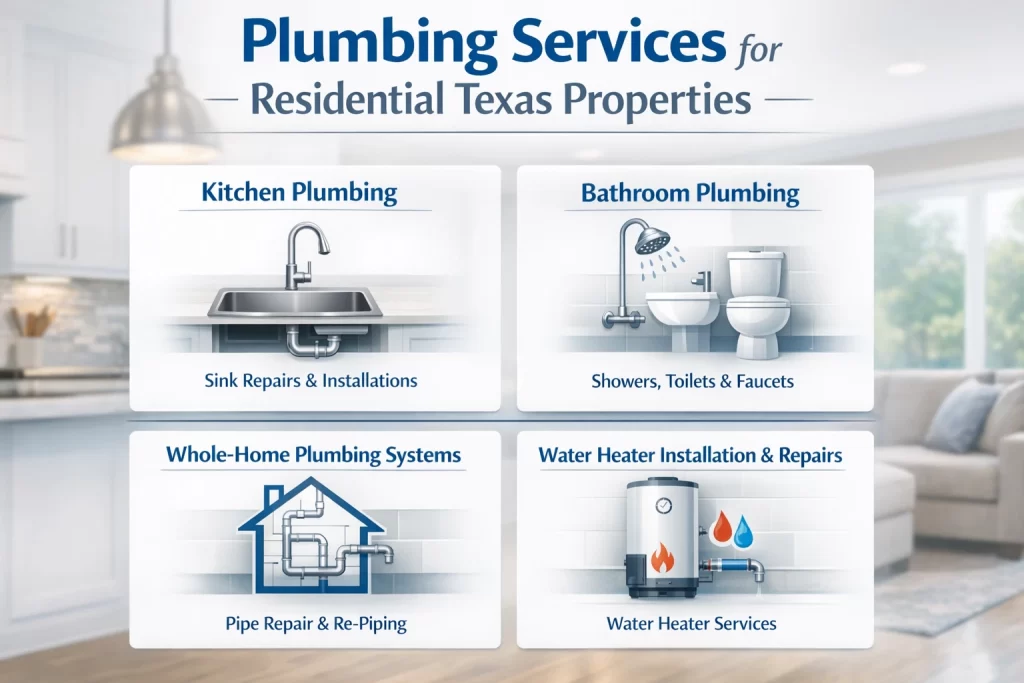
Many Texas residents have difficulties with their kitchen plumbing that are typical, like faucets that leak and drains that are slow. But, professionals handle it all, faucet repairs and replacements, garbage disposal installations and repairs, kitchen pipe maintenance, drain line clearing, and water pressure adjustments, to ensure your kitchens run smoothly and efficiently.
2.2 Bathroom Plumbing
Bathroom plumbing requires expertise in shower, bathtub, toilet, and sink repairs. Licensed plumbers take care of whole drain cleaning, clog removal, leak detection, and fixture installation to maintain hygiene and functionality while preventing costly water damage in Texas homes.
2.3 Whole-Home Plumbing Systems
If you are wondering how to protect whole-home plumbing during winter, don’t worry, professionals have got it covered. They handle water line repairs, sewer line inspections, and re-piping in older homes. In Texas, addressing aging systems is also important to prevent leaks, water contamination, and major replacements, keeping entire homes protected and operating efficiently.
2.4 Water Heater Installation & Repairs
Water heaters operate under high pressure and temperature, making them one of the most important plumbing components. Tank and tankless systems require proper sizing, venting, and maintenance. Without annual servicing, sediment buildup and overheating increase failure risk, energy costs, and safety hazards in Texas households.
3. Commercial Plumbing Services Required by Texas Businesses
3.1 Commercial Offices
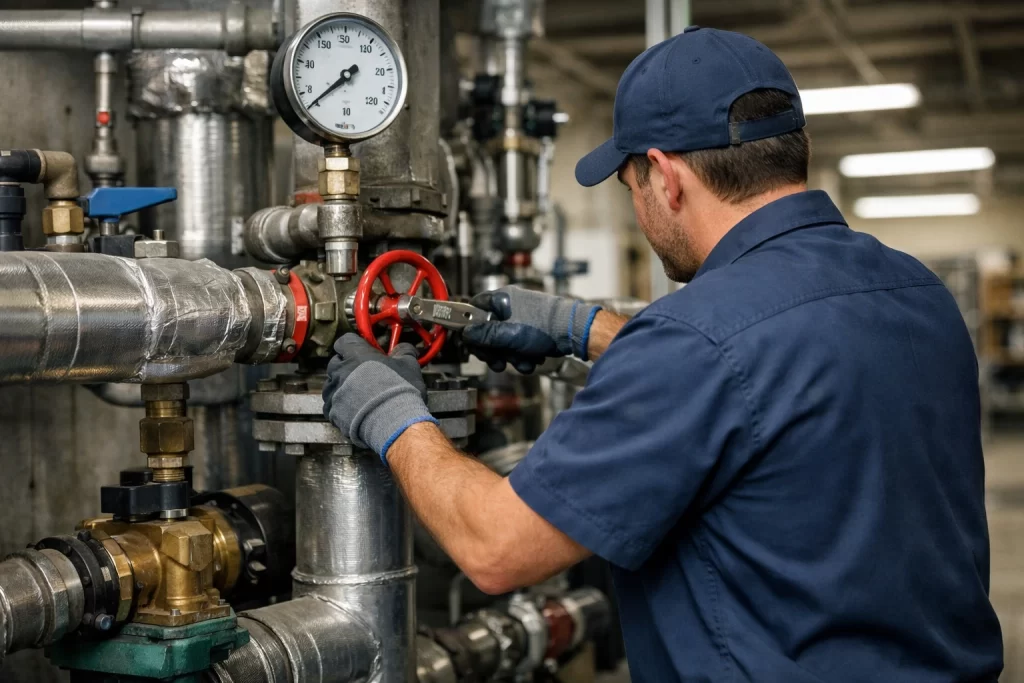
Commercial plumbing systems handle significantly higher water demand than residential systems. Inadequate pipe sizing, fixture wear, or delayed repairs can disrupt the ongoing operations. Professional commercial plumbing prioritizes system capacity, restroom reliability, and compliance with Texas building and accessibility codes.
3.2 Restaurants & Food Service
Professional plumbing services help restaurants meet Texas health regulations, prevent sewer backups, and maintain safe, sanitary operating environments. As the food service plumbing demands strict attention to grease trap maintenance, commercial-grade sinks, and high-volume drainage systems, these common restaurant plumbing problems are easily managed by professional services.
3.3 Retail Stores & Warehouses
The main goal of retail and warehouse facilities is always to protect their product and infrastructure. Even small leaks or drainage failures can turn into big money losses through water damage. Plumbing services in these environments focus on early detection, durable supply lines, and rapid response protocols, including trenchless repair solutions for large facilities that minimize excavation. By reducing exposure to sudden failures and avoiding unnecessary structural disruption, businesses are better positioned to maintain continuity and protect both physical assets and stock.
3.4 Property Management & Multi-Unit Facilities
Your apartment complexes, condos, and mixed-use properties all share plumbing systems, so when one of them breaks down, it affects the other also, which makes your tenants unhappy and increases repair costs. Therefore, having regular inspections, coordinated maintenance plans, and clearly defined emergency procedures allows property managers to address issues efficiently while minimizing disruption across the property.
4. Emergency Plumbing Services for Texas Homeowners
4.1 Common Emergency Situations And How To Deal With Them
Plumbing problems in homes may get worse quickly, especially in Texas, where changes in temperature put extra stress on pipes and water heaters. Issues like burst pipes, sudden leaks, overflowing toilets, and system failures can damage foundations, electrical systems, and indoor air quality in a short period of time. And to deal with such emergency kitchen plumbing fixes before help arrives, it is very important as a homeowner to respond in a timely manner and significantly reduce damage severity. One should turn off the main water supply first, isolating the affected area and avoiding contact between water and electrical systems, as these are essential precautions. These steps help stabilize the situation, allowing emergency plumbers to assess and repair the problem more efficiently once they are on site.
Case Study: Winter Storm Uri & Plumbing Failures in Texas (2021)During the Winter Storm Uri in February 2021, extreme cold caused widespread burst water lines and plumbing system failures across Texas, affecting thousands of homes and businesses. According to the City of Austin’s After-Action Review, record-low temperatures and prolonged freezing led to numerous broken pipes, loss of water pressure, and over 2,400 calls to fire departments for broken pipe reports in just Austin alone. The storm’s impact on plumbing systems was so severe that many residents experienced boil-water notices and disruptions in running water for days, highlighting how sudden infrastructure stress reveals hidden vulnerabilities in pipes and service lines. Hence, professional plumbers, along with utility crews, were critical in detecting leaks, repairing main breaks, and restoring water service, often working around the clock; many repairs took several days due to hazardous conditions and system complexities. |
5. Drain Cleaning & Sewer Line Services
5.1 Residential Drain Cleaning
Grease buildup, hair, soap residue, and aged pipes are all major causes of slow drains, clogged drains, repeated clogs, and roots getting into pipes. But no need to worry, as with the help of professional residential drain cleaning, you can restore proper flow and prevent pipe damage.
5.2 Commercial Drain Solutions
As they receive more trash, commercial properties need more advanced drain systems. High-pressure jetting properly removes grease, scale, and debris from pipes, while restaurant drains help in handling food waste and liquid runoff. On the other hand, grease line cleaning removes built-up fats and oils that might cause blockages. Together, these services help food facilities stay compliant and maintain uninterrupted operations.
5.3 Sewer Line Diagnostics
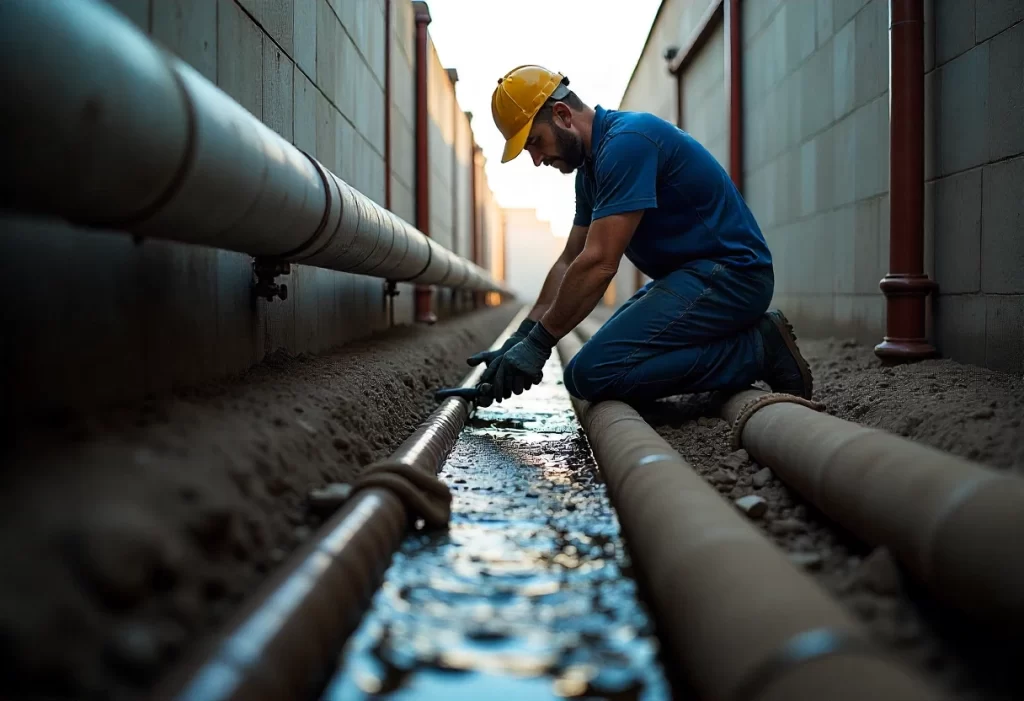
For all damaged lines, sewer repair is also done by professional plumbers who identify hidden issues before they escalate into costly failures. With the help of camera inspection, real-time visuals of blockages, cracks, and root intrusion are provided. When repairs are needed, trenchless repair options offer minimally invasive solutions, reducing disruption to landscaping, pavement, and daily business or household activities.
6. Water Quality & Filtration Services
6.1 Home Water Filtration
-
Whole-house filters
Water entering a home through the main supply line often carries sediment, chlorine, rust, and organic particles. These contaminants can clog faucets, stain laundry, damage plumbing fixtures, and reduce the lifespan of water-using appliances. A whole-house filtration system is installed at the main water entry point to filter all water before it reaches taps, appliances, and fixtures throughout the property.
-
Reverse osmosis systems
Some contaminants such as dissolved solids, heavy metals, nitrates, and chemical residues are too small to be removed by standard filtration. Reverse osmosis systems are installed at selected outlets, such as kitchen sinks, to provide highly purified drinking water. These systems use multiple filtration stages and a semi-permeable membrane to remove microscopic impurities while maintaining normal water pressure at the tap.
-
Hard water solutions
Hard water causes calcium and magnesium to build up inside pipes, fixtures, and heating elements, leading to reduced water flow, inefficient heating, and premature system wear. Plumbers install water softening solutions at the main supply point to treat mineral content at the source. This prevents scale formation, protects plumbing components, improves appliance efficiency, and ensures consistent water pressure and reliable performance across the entire plumbing system.
6.2 Commercial Water Quality
-
Industrial filtration requirements
In commercial buildings, water moves through the plumbing system at high volumes throughout the day, allowing sediment and mineral deposits to accumulate faster and place ongoing strain on connected equipment. To address this, plumbers install industrial-grade filtration systems that regulate high flow rates, stabilize pressure across multiple zones, and shield boilers, water heaters, and process equipment from damage caused by untreated water.
-
Water testing for restaurants and clinics
In restaurants and clinics, even small water quality issues can create serious health risks or violate regulations, since bacteria, chemical imbalances, or contaminants can affect safety. That’s why plumbers start by analyzing water chemistry and flow patterns, then design precise filtration, backflow prevention, and system adjustments tailored to keep water safe for both operations and health standards.
7. Plumbing Maintenance And Preventive Care For Properties In Texas
7.1 Home Maintenance Checklist
Seasonal plumbing tips
- Start winter plumbing maintenance early by insulating exposed pipes in attics, garages, and exterior walls, as many Texas homes experience sudden freeze events that can cause pipes to crack without prolonged cold exposure.
- Before colder nights arrive, disconnect outdoor hoses and shut off exterior water lines so trapped water does not expand inside fittings during overnight temperature drops.
- During extreme summer heat, regularly check hose bibs and underground supply lines, since shifting soil and prolonged dryness can loosen joints and create hidden leaks.
- Flush your water heater before peak usage seasons to remove sediment that builds up faster in warm climates, improving heating efficiency and reducing stress on internal components.
- After heavy rainfall or storm activity, pay attention to slow drains or unusual odors, as saturated soil can shift sewer lines and worsen existing weaknesses in underground piping.
Home Maintenance Routines to Follow
- Test the home’s main water shut-off valve to ensure it fully stops water flow and doesn’t seize from inactivity.
- Check the pressure-reducing valve (PRV) function to confirm incoming municipal pressure is being regulated and not stressing pipes.
- Inspect toilet tank components for silent leaks, such as worn flappers or misaligned fill valves, which waste water continuously.
- Examine washing machine and appliance supply hoses for bulging, brittleness, or weakened fittings before rupture occurs.
- Inspect drain cleanout caps to ensure they are sealed properly and accessible in case of future blockages.
- Verify plumbing vent stack airflow by listening for gurgling or siphoning that signals a pressure imbalance in the drain lines.
- Check water heater temperature settings to prevent scalding risks and reduce unnecessary pressure inside the system.
- Inspect under-slab or crawl-space plumbing access points for signs of moisture that indicate hidden leaks.
- Look for mineral scale buildup on fixtures as an early indicator of hard water stress inside pipes.
- Confirm backflow prevention devices are intact to protect the potable water supply from contamination.
7.2 Commercial Maintenance Plans
Scheduled inspections
- Evaluate the hydraulic balance of the system through pressure difference measurements between the floors or zones; any imbalance may mean that restrictions or narrow lines are developing.
- Assess expansion joints, flexible connections, and vibration points around pumps or mechanical rooms because constant operational activity promotes material degradation due to fatigue.
- Review isolation zones and section shutoffs to ensure individual zones can be served without having to shut down the plant, which is an extremely important consideration to bear in mind.
- Apply modern maintenance technologies for commercial plumbing, such as ultrasonic leak detection and thermal scanning, to identify subsurface or concealed failures without invasive access.
Compliance-based maintenance
- Verify that flow rates, flush volumes, and pressure settings in the fixtures are in accordance with current efficiency standards and safety standards for commercial occupancy.
- Test backflow assemblies under operating conditions as opposed to static testing to provide protection against pressure reversal during demand surge situations.
- Note cross-connection exposures where potable and non-potable water distributions intersect, since these represent the highest risk of both compliance and contamination.
- Schedule maintenance cycles based on regulatory testing periods in order to avoid any gaps that would cause non-compliance notifications or restrictions in operations.
8. Plumbing Codes, Safety & Compliance As Per Texas Law
Plumbing Laws Applicable to Both Residential & Commercial Properties
- State Plumbing Code Adoption: Texas formally adopts nationally recognized plumbing codes (IPC & UPC) under Texas Occupations Code §1301.255. These codes regulate pipe sizing, materials, installation methods, safety devices, and system performance.
- Code Enforcement & Compliance: All plumbing installations must comply with the adopted codes in force at the job location. Plumbing work must pass required inspections before concealment or use.
- Backflow & Cross-Connection Protection: Plumbing systems must include approved backflow prevention methods to protect potable water from contamination and cross-connections, as enforced by the Texas State Board of Plumbing Examiners under state-adopted plumbing codes.
Residential-Only Plumbing Laws
- Homestead Owner Exemption: Texas Occupations Code §1301.051 allows homeowners to perform limited plumbing work only on their own owner-occupied homestead. (This exemption does not apply to rental or resale properties.)
- Residential Water Heater Safety Rules: Homes must follow residential water heater installation requirements, including T&P relief valves and approved discharge piping.
- Freeze Protection for Homes: Residential water piping exposed to freezing conditions must be insulated, protected, or buried below frost depth.
- Non-Occupant-Based Fixture Rules: Residential dwellings are not required to calculate fixture counts based on occupant load.
Commercial-Only Plumbing Laws
- Occupancy-Based Fixture Calculations
Commercial buildings must calculate plumbing fixture quantities based on occupant load and building use classification, as defined in the International Plumbing Code (IPC), Chapter 4, adopted in Texas under §1301.255. - Public Accessibility Requirements: Under 22 Texas Administrative Code §367.2, commercial plumbing installations are inspected for compliance with accessibility-related fixture layout, clearance, and height standards adopted from the IPC.
- Mandatory Backflow Testing & Records
Commercial backflow prevention assemblies must be installed, tested, and maintained with documented compliance to protect potable water systems, as enforced under 22 TAC §367.2. - Grease & Special Waste Control
Food service and certain commercial facilities must install grease interceptors or special waste systems in accordance with IPC Chapter 10, adopted in Texas under §1301.255. - Plan Review & Occupancy Approval
Commercial plumbing systems require approved plans before installation and must pass final inspection prior to occupancy or operation, as enforced under 22 TAC §367.2.
9. Plumbing Services Pricing Basics For Our Texas Area
Plumbing costs in this part of Texas for both residential and commercial properties vary based on factors such as scope of work, system size, accessibility, labor intensity, and compliance with local building codes. Standard service calls typically range from $150–$350, while common repairs such as leak fixes or fixture replacements may cost $200–$600. Larger projects like water heater installations often fall between $900–$2,500, depending on unit type and code requirements. Emergency or after-hours services generally carry higher rates. Understanding these cost ranges helps set realistic expectations when reviewing plumbing estimates.
10. Selecting the Right Plumber for Your Needs
10.1 Qualities of a Reliable Plumbing Company
-
Licensing
If you need a professional plumber, licensing should be the first thing you verify. In Texas, plumbers must hold a valid license issued by the Texas State Board of Plumbing Examiners. Only properly licensed plumbers are legally authorised to perform regulated plumbing work in residential or commercial properties.
-
Insurance
An adequate plumbing service should have general liability coverage to protect property owners from any possible damages, and workers’ compensation to safeguard them from any work-related injuries.
-
Experience
Experience is the reflection of the plumber’s capability of dealing with a variety of properties, configurations, or problem situations. A plumber with relevant experience analyzes a problem in less time, foresees potential complications, and uses effective solutions for the problem based on his past experiences rather than relying on guesswork.
-
Reviews
It involves patterns of feedback where customers get an idea of the extent to which the company adheres to time schedules, is clean, maintains pricing, and handles complaints after providing plumbing services.
10.2 How Local Plumbing LLC Stands Out Among Plumbing Providers in Texas
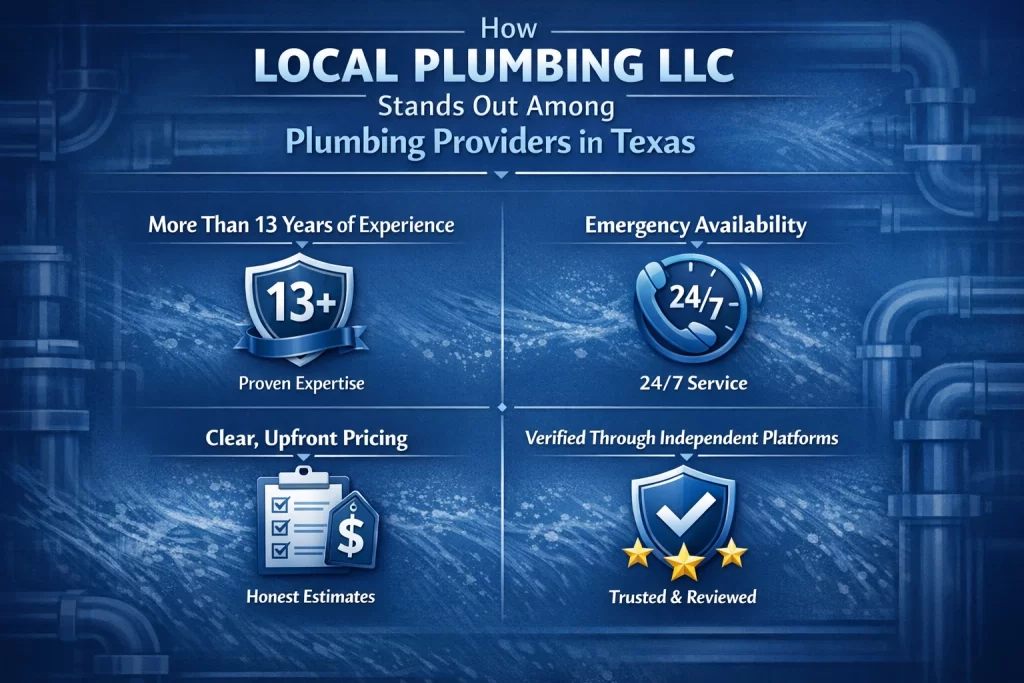
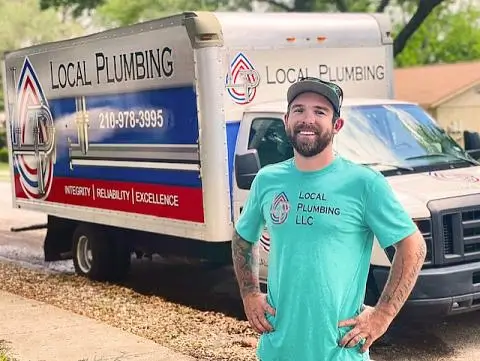
Local Plumbing LLC provides reliable plumbing services for both homes and businesses across Texas, handling everything from repairs to installations. Here are the reasons why to choose us:
-
Years of Expertise
We have been in the field of plumbing for more than 13 years, so we can cope with both small and large tasks, from repairs to huge installations. We also excel at finding solutions to any problems, as we have been doing the job for a long time.
-
Emergency availability
To solve any of the plumbing issues, we are available 24*7. Our team responds promptly to urgent calls, prioritising same-day assistance for critical issues and offering clearly defined service windows for scheduled visits.
-
Clear, Upfront Pricing
The pricing model adopted ensures that this clarity and transparency are maintained. The services are rendered in a manner where the costs are made clear upfront, and there are no additional costs.
-
Verified Through Independent Platforms
The credibility of service can be strengthened by positive reviews and accreditation on reputable third-party sites, such as Yelp, Google, and the Better Business Bureau, based on reliability and customer trust.
Looking for plumbing services you can rely on without second-guessing? Local Plumbing, LLC makes the process simple and stress-free. Send an email to Justin@LocalPlumbingLLC.net or call or text (210) 978-3995 and let the next step be easy!
11. FAQs Section
What is the most common plumbing emergency?
The most common plumbing emergency that people deal with is a burst pipe that causes sudden water damage, flooding, and an urgent need for professional emergency plumbing services.
How often should commercial buildings get plumbing inspections?
Commercial buildings should schedule professional plumbing inspections annually to prevent any kind of costly failures, code violations, and unexpected business disruptions.
How can I prevent clogs in my home?
You can prevent household clogs by avoiding grease disposal, using drain screens, flushing drains regularly, and scheduling proper routine professional plumbing maintenance.
Do tankless water heaters save money?
Yes, a tankless heater saves money by reducing energy consumption, providing on-demand hot water, lowering utility bills, and extending system lifespan.